Handmade, the past to the present of handmade
Until 1850, the clothes were made by hand. Tailors and workers made and embroidered all items of clothing, such as court dresses, under garments, etc. In the middle of the 19th century, the sewing machine changed fashion forever. It helped to ease the life of tailors and seamstresses and later, it made its way into homes.
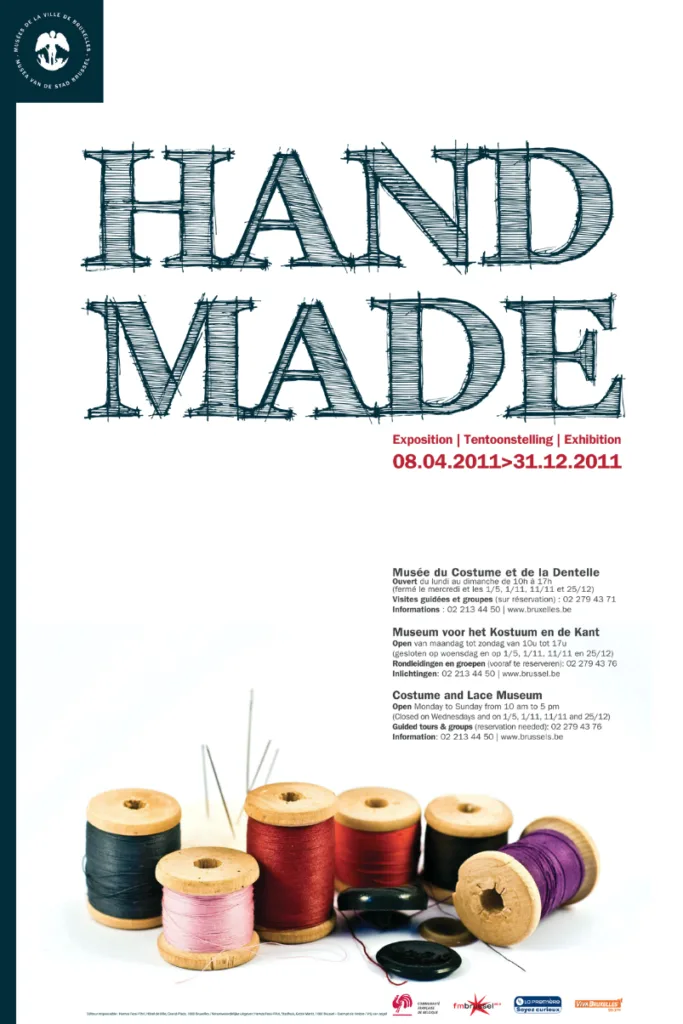
In 2011, the temporary exhibition Handmade at the Brussels Fashion & Lace Museum showcased period clothing to visitors. It retraced the evolution of handmade through its collections.
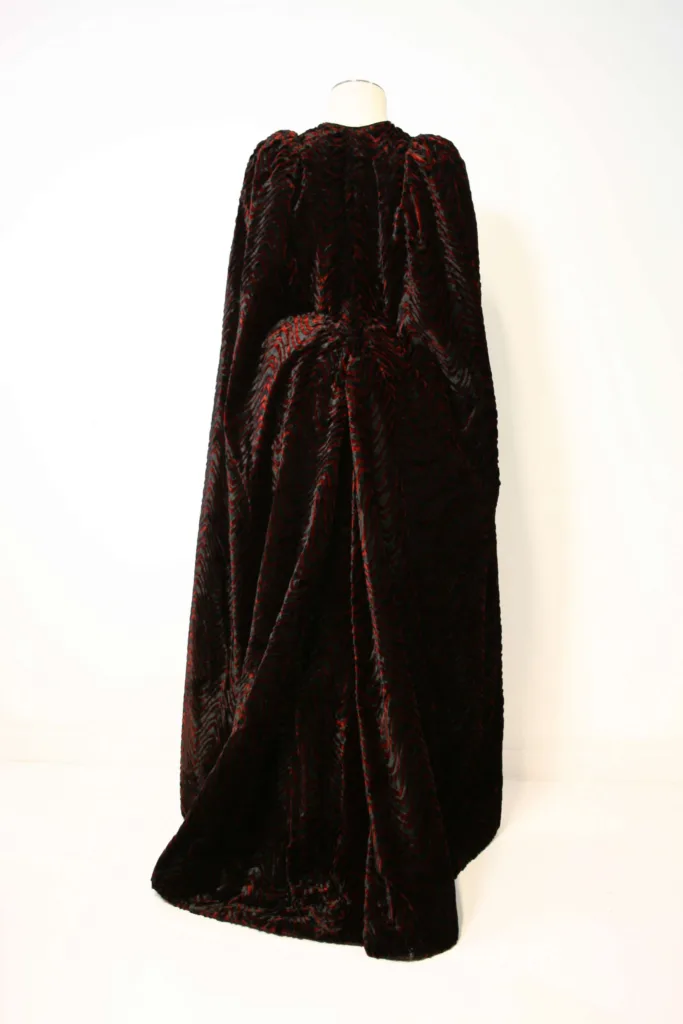
In 1850, the sewing machine was marketed
The sewing machine would never have been designed if the art of hand sewing had not existed. You would think that handmade clothes would have disappeared when the sewing machine was marketed. But no. Despite the invention of the sewing machine, handmade continued to thrive. It has survived and adapted to the constraints of each era of history.
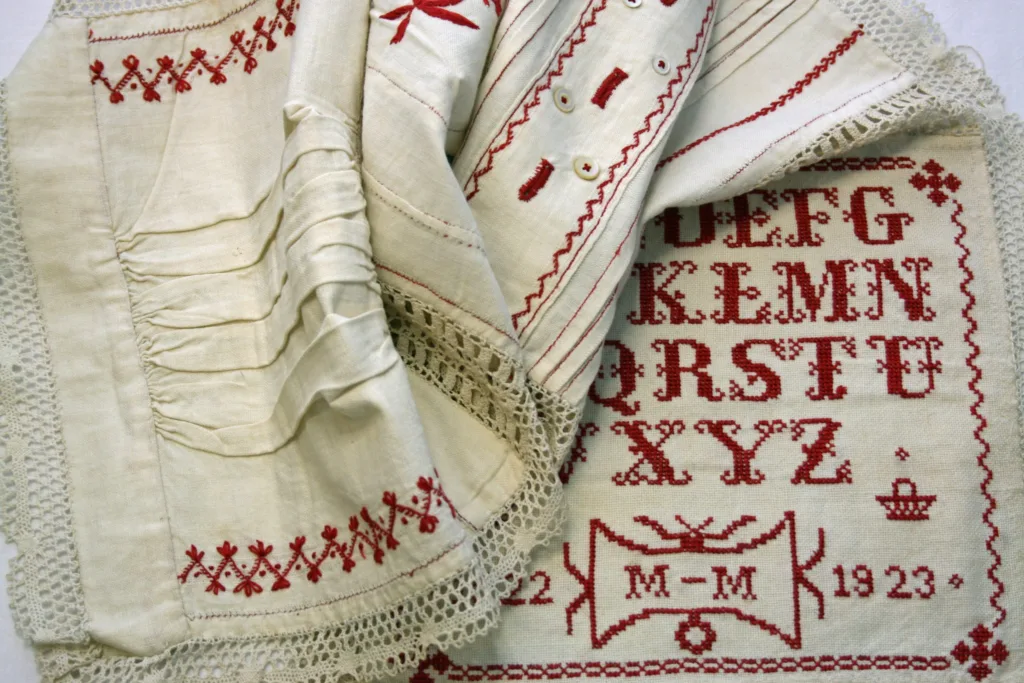
Handmade sewing has never disappeared
Today, the thirtysomething generation is particularly fond of homemade crafts. Several young people design and make their own clothes and accessories. This trend is often a response to mass production which they consider to poor in quality. Some even share their crafts and practices on blogs, forums and websites.
The temporary exhibition Handmade plunged the visitor deep into the history of handmade art and showcased some magnificent pieces from the Museum’s collections.