Visitor information
Dear visitors,
We are open Tuesday to Sunday, from 10 a.m. to 5 p.m.
Are you an individual visitor? To make the most of your visit to the museum, we advise you to book via our reservation platform
For groups : reservation requests must be submitted minimum 3 weeks before the visit via our online form
Thank you for your understanding and enjoy your visit
Closed
22.09 > 27.09: The Lace Room is closed
Agenda
All activities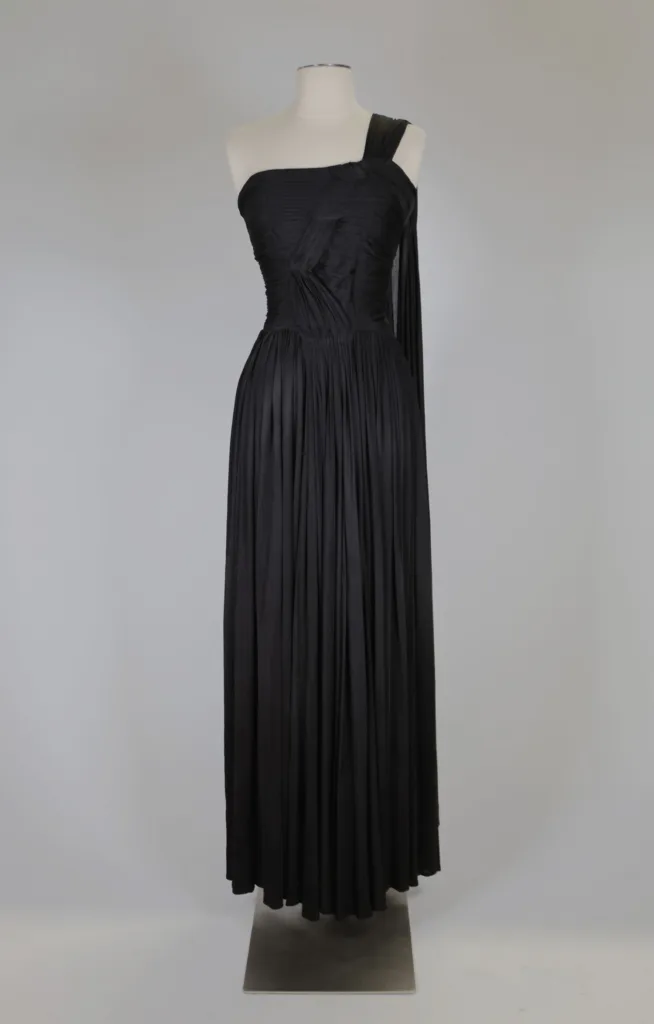
Ongoing Triplex
A unique exhibition
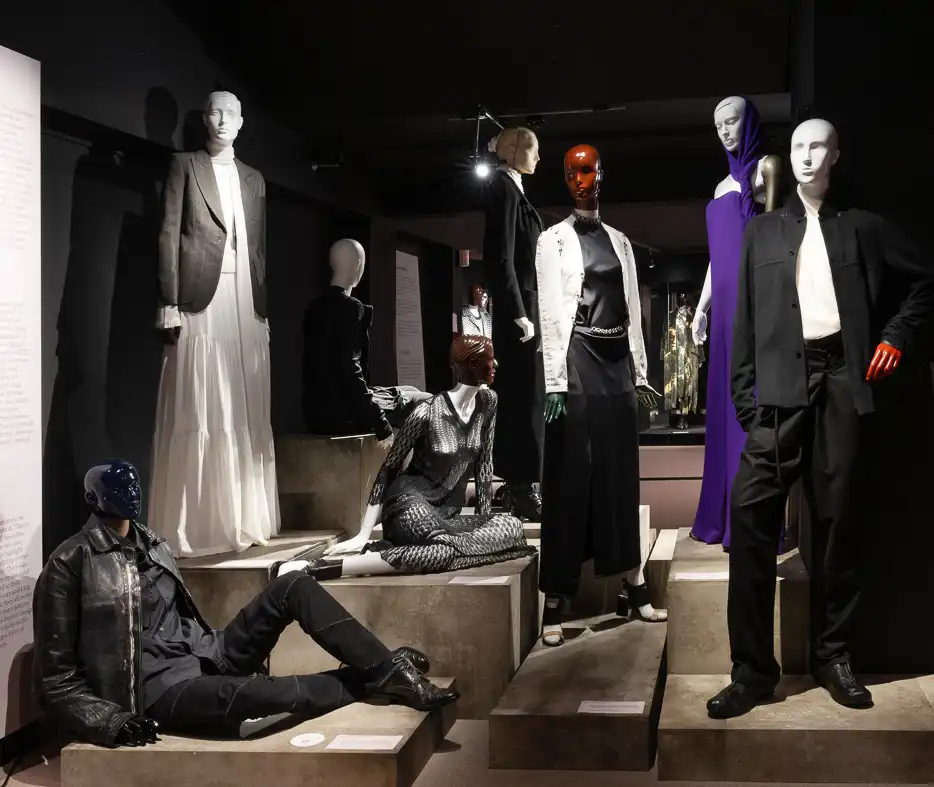
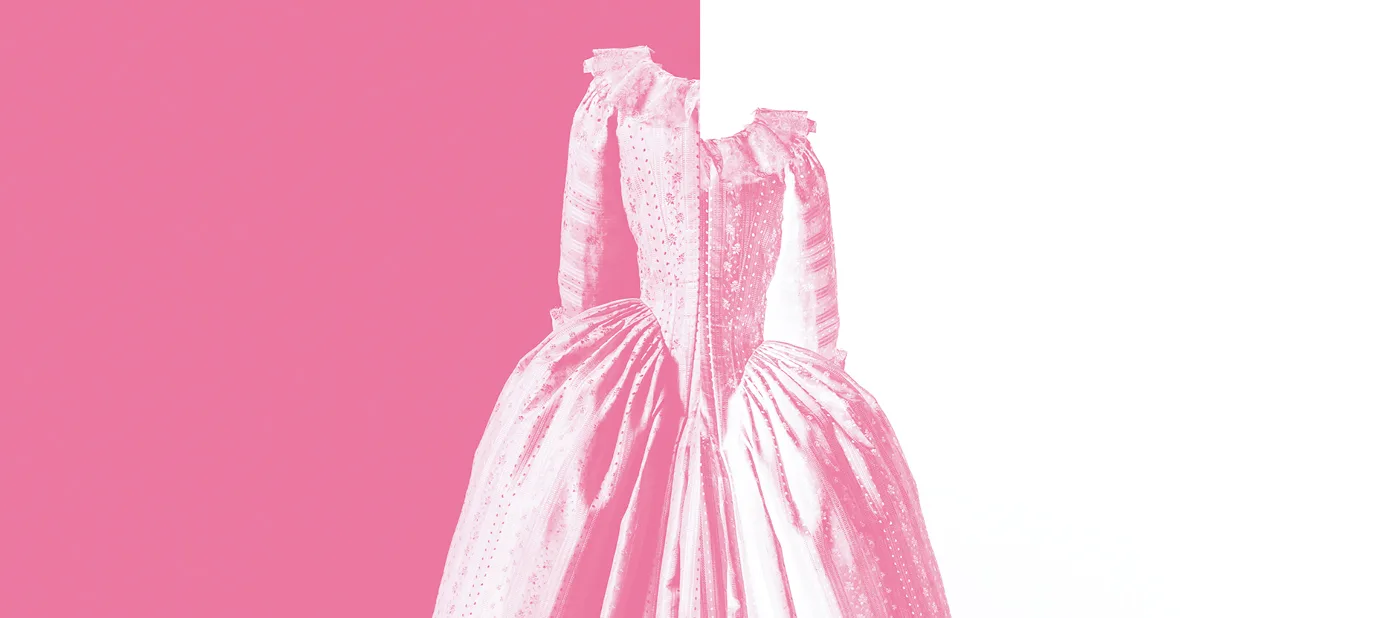
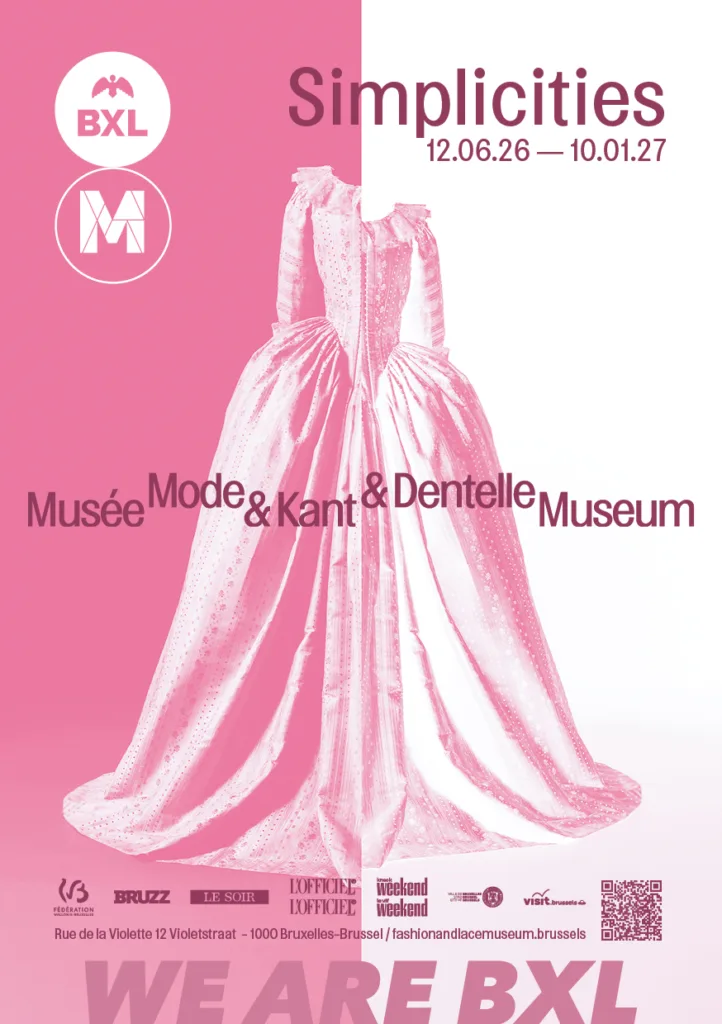
The Fashion & Lace Museum invites you to explore simplicity in clothing. Spanning more than two centuries of history, this new exhibition looks at the times when people favoured purity, practicality, and naturalness in what they wore. Fashion is often associated with luxury, opulence, and novelty. Here, its function as a mirror of cultural and social change is examined. This is a subject that has previously received little attention.
Tracing the history of this quest for the natural and the authentic puts our contemporary concerns in a long-term perspective and prompts us to consider their ambiguities, tensions and grey areas.
Mathilde Semal, curator
Simplicities begins at the end of the 18th century. Enlightenment thinking and a concern with medicine and hygiene led to profound changes in outward appearance. This ‘return to nature’ meant a rejection of artifice, new cuts of clothing, breathable fabrics and an aesthetic vocabulary inspired by Antiquity. This fashion ideal came to reflect a new lifestyle that blended comfort, liberation of the body, and closeness to nature.
The exhibition consists of six chapters, each of which explores different aspects of simplicity. Drawn from across centuries of fashion, the pieces on display are presented alongside garments by contemporary designers such as Dries van Noten, Ester Manas, Issey Miyake, and Ann Demeulemeester, pointing to the continuities, comebacks, and contradictions of this aesthetic. Discover this overlooked facet of fashion history!
Lace room
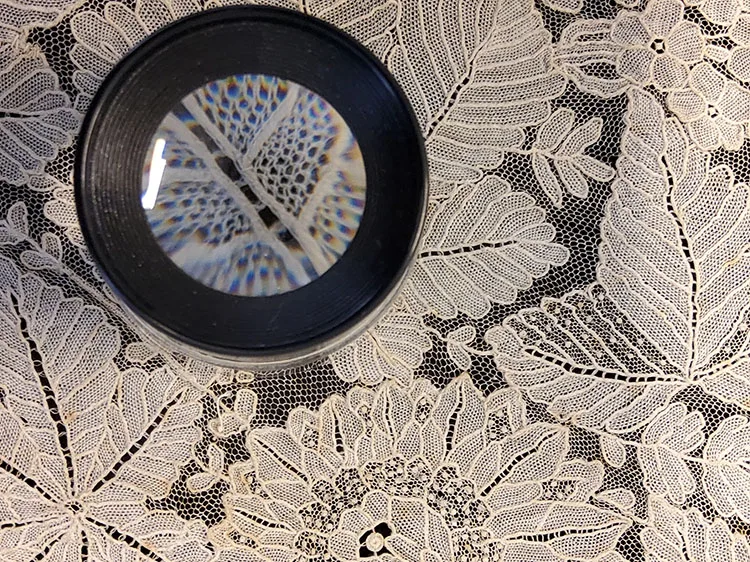
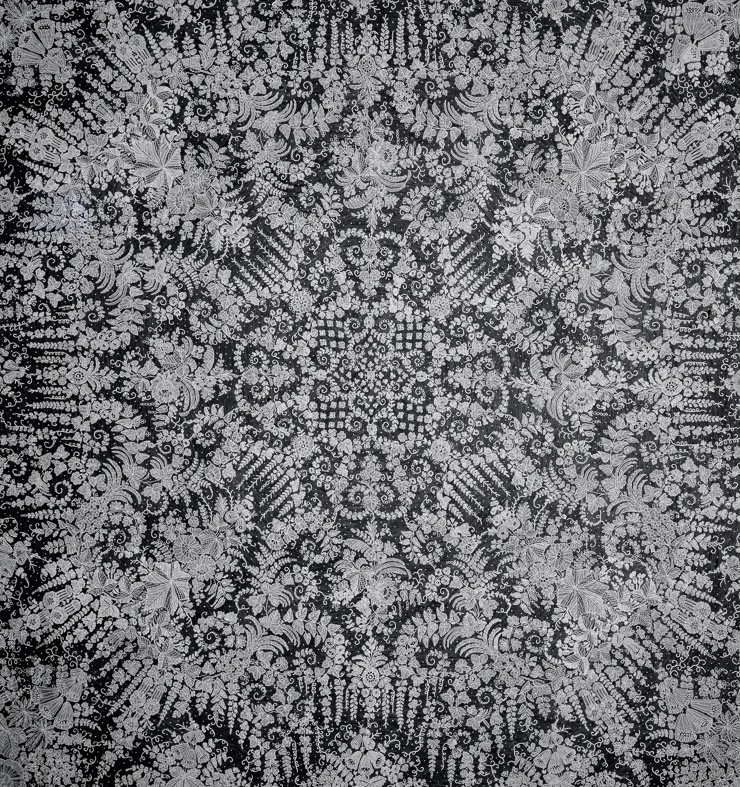
In the interests of proper conservation, the Lace Room renews its lace display every two years.
Rotating the pieces on view in this way makes it possible to both conserve the oldest and most fragile items and offer visitors the opportunity to admire examples of superb lacework.
After woollen cloth and tapestry, this third jewel of the luxury textile industry adorned the costumes of the men and women of the greatest European courts for centuries. Brussels lace has not been produced since the First World War, but its aura remains almost intact.
Subscribe to the newsletter to not miss any of our activities.
Newsletter